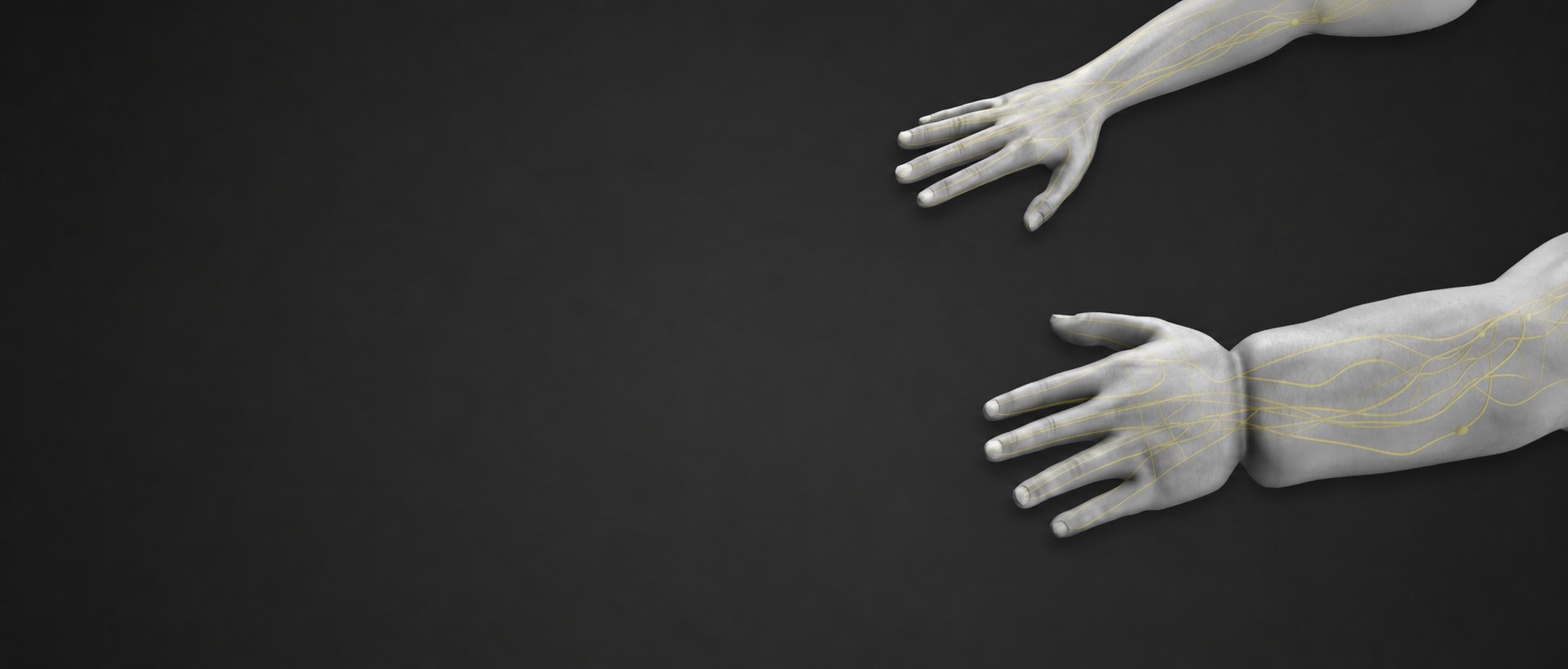
What is Forearm Lipedema?
Lipedema is a chronic condition that causes an abnormal buildup of fat beneath the skin, most commonly affecting the legs. However, many patients are surprised to learn that lipedema can also develop in the arms, including the forearms. Forearm lipedema can cause pain, swelling, heaviness, and tenderness that often interfere with daily activities and quality of life.
Unfortunately, because arm symptoms are frequently mistaken for weight gain or lymphedema, forearm lipedema is often overlooked or diagnosed late. In this article, Dr. Azouz explains what forearm lipedema is, its symptoms, causes, treatment options, and when surgery may be beneficial. Dr. Azouz is a board-certified plastic surgeon who treats patients with lipedema from across the United States at his practice in Dallas, Texas. Dr. Azouz specializes in advanced lipedema surgery and develops personalized treatment plans to improve comfort, function, and quality of life.
Understanding Forearm Lipedema
Forearm lipedema occurs when abnormal fat deposits develop between the wrist and elbow. This fatty tissue is different from normal body fat because it is resistant to diet and exercise and is often associated with pain and inflammation. Patients may notice that their forearms appear disproportionately larger than the rest of their arms or body.
Forearm lipedema commonly occurs alongside upper arm lipedema but may also extend into the hands in more advanced cases, particularly when secondary lymphedema develops. The condition typically affects both arms symmetrically.
Symptoms of Forearm Lipedema
Patients with forearm lipedema may experience:
- Pain or tenderness in the forearms
- Easy bruising with little or no trauma
- Swelling that worsens throughout the day
- A feeling of heaviness or tightness in the arms
- Soft, nodular fat beneath the skin
- Difficulty wearing watches, bracelets, or long sleeves comfortably
- Reduced arm mobility due to discomfort
- Fat that does not improve despite weight loss
Symptoms often progress gradually and may worsen over time if left untreated.
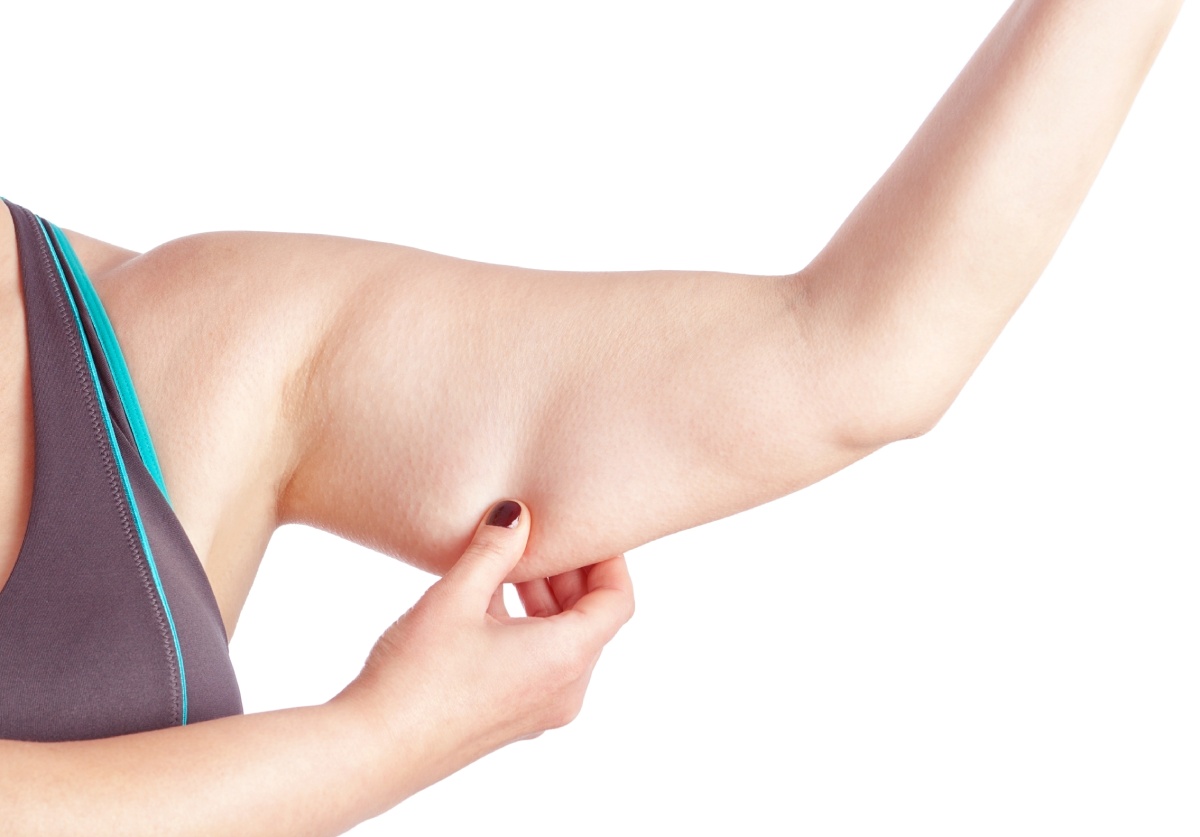
What Causes Forearm Lipedema?
The exact cause of lipedema remains unknown, but several factors are believed to contribute:
- Hormonal Changes:
Lipedema commonly develops or worsens during puberty, pregnancy, or menopause, suggesting hormones play an important role. - Genetics:
Many patients report a family history of lipedema, indicating a hereditary component. - Inflammation:
Chronic inflammation within fatty tissue may contribute to the progression of lipedema and worsening symptoms.
How is Forearm Lipedema Diagnosed?
Diagnosing forearm lipedema begins with a thorough physical examination and review of the patient’s medical history. Dr. Azouz evaluates:
- Distribution of fat throughout the arms
- Palpation of nodules or spheroids of lipedema tissue
- Presence of tenderness or pain
- Symmetry between both forearms
- Signs of bruising or swelling
- Whether symptoms improve with elevation
- Family history of lipedema
- Cuffing of the wrists
Unlike lymphedema, lipedema fat is typically painful to touch and often spares the hands until later stages.
Treatment Options for Forearm Lipedema
Treatment focuses on reducing symptoms, improving function, and preventing progression.
1. Conservative Management
Many patients benefit from nonsurgical treatments, including:
- Compression garments designed for the arms
- Manual lymphatic drainage therapy
- Regular low-impact exercise
- Anti-inflammatory lifestyle modifications
- Weight management to improve overall health
Although conservative treatments may help control symptoms, they do not remove lipedema fat.
2. Lipedema Surgery
For patients with persistent pain, functional limitations, or progressive disease, lipedema reduction surgery may be recommended. Specialized liposuction techniques can remove abnormal lipedema fat while preserving lymphatic vessels and surrounding tissues.
Benefits of surgery may include:
- Reduced pain and tenderness
- Improved arm mobility
- Less heaviness and swelling
- Better contour of the arms
- Improved quality of life
- Easier participation in daily activities
Recovery After Forearm Lipedema Surgery
Following surgery, patients typically wear compression garments to reduce swelling and support healing. Additional recovery recommendations may include:
- Elevating the arms when possible
- Gentle movement to encourage circulation
- Following postoperative instructions carefully
- Attending scheduled follow-up appointments
- Gradually returning to normal activities as healing progresses
Recovery timelines vary depending on the extent of surgery and the patient’s individual healing process.
Schedule a Consultation with Dr. Azouz
Forearm lipedema is a chronic condition that can significantly impact comfort, mobility, and quality of life. Although conservative treatments can help manage symptoms, surgery remains the most effective option for removing abnormal lipedema fat and improving arm function. Early evaluation by an experienced surgeon is essential for developing a personalized treatment plan.
If you are experiencing symptoms of forearm lipedema or would like to learn more about treatment options, contact our office to schedule a consultation with board-certified plastic surgeon Dr. Azouz today. Contact us online or call (972) 702-8888 to learn more about lipedema surgery and comprehensive treatment options.
Written by Varsha Harish on behalf of Azouz Plastic and Cosmetic Surgery.
Posted on behalf of