What is Calf Lipedema?
Calf lipedema is a chronic condition that causes an abnormal buildup of fat in the lower legs, particularly around the calves, ankles, and lower legs. Unlike ordinary weight gain, calf lipedema does not improve with diet or exercise and often progresses over time if left untreated. The condition can cause pain, swelling, tenderness, heaviness, and difficulty with mobility, significantly affecting a patient’s quality of life. In this article, Dr. Azouz discusses the symptoms of calf lipedema, how it is diagnosed, and the treatment options available. Dr. Azouz is a board-certified plastic surgeon in Dallas, Texas, who sees lipedema patients from all over the United States. Dr. Azouz has extensive experience treating all stages of lipedema and is dedicated to individualized care and patient education to help patients achieve long-term symptom relief and improved mobility.
Understanding Calf Lipedema
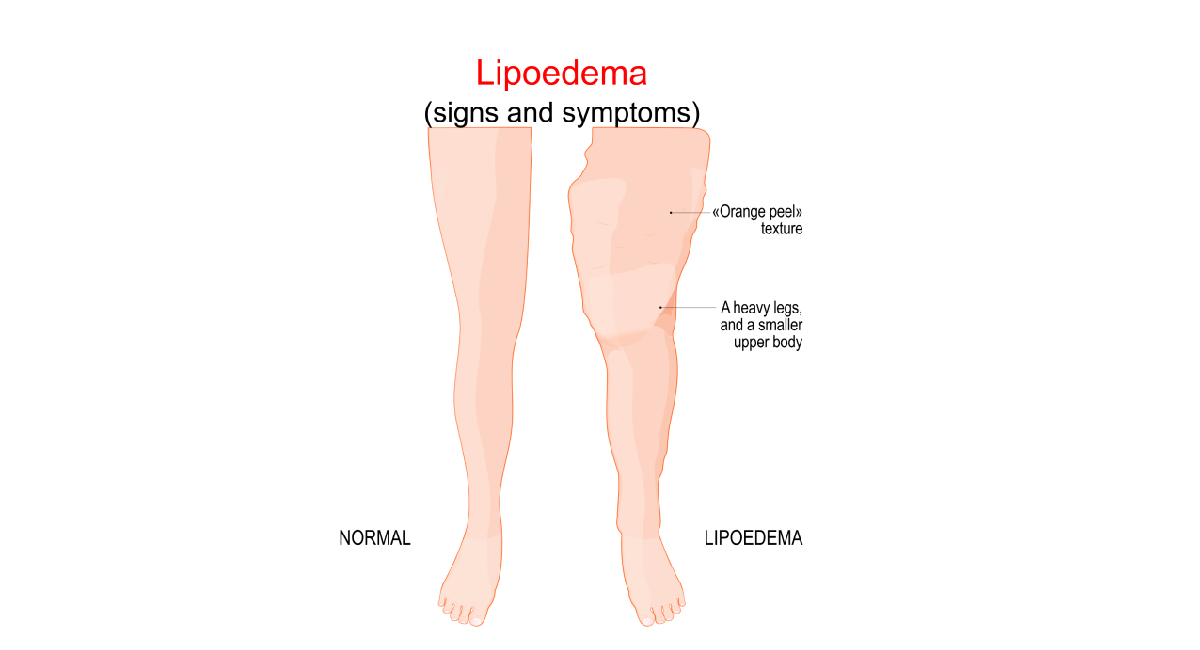
Calf lipedema occurs when abnormal fat cells accumulate in the lower legs, creating a disproportionate appearance between the calves and the feet. One of the hallmark features of calf lipedema is that the feet are typically spared, creating a noticeable “cuff” or “ankle bracelet” appearance where the enlarged calves abruptly meet the normal-sized feet.
Unlike lymphedema, calf lipedema is caused by abnormal fat tissue rather than fluid buildup alone. Although swelling may worsen throughout the day, the underlying problem is diseased adipose tissue that cannot be corrected through weight loss alone.
Symptoms of Calf Lipedema
Patients with calf lipedema often experience symptoms that extend beyond cosmetic concerns. Common symptoms include:
Pain and Tenderness:
The calves may feel painful or sore, especially with pressure or prolonged standing. Painful nodules can be felt and there are many throughout the calves. In
Easy Bruising:
Fragile blood vessels within lipedema tissue often cause bruising with minimal trauma.
Heavy Legs:
Many patients describe a sensation of heaviness that worsens throughout the day.
Swelling:
Swelling may increase after standing for long periods, although the feet usually remain unaffected.
Difficulty Walking or Exercising:
As calf lipedema progresses, the excess tissue can interfere with mobility and make physical activity uncomfortable.
Skin Sensitivity:
The affected tissue may feel unusually sensitive or painful to the touch.
Who Is at Risk for Calf Lipedema?
Although the exact cause remains unknown, several factors increase the likelihood of developing calf lipedema:
- Hormonal changes during puberty, pregnancy, or menopause
- A family history of lipedema
- Female gender, as lipedema primarily affects women
- Progressive worsening over time without appropriate treatment
Diagnosing Calf Lipedema
Calf lipedema is diagnosed through a comprehensive physical examination and medical history. Because lipedema is frequently mistaken for obesity or lymphedema, evaluation by an experienced physician is essential.
Dr. Azouz evaluates:
- The distribution of fat throughout the legs
- Palpation of nodules or spheroids of lipedema tissue
- Whether the feet are spared
- Symptoms such as pain, bruising, and tenderness
- Skin quality and tissue texture
- The stage of lipedema and any associated lymphedema
- Early diagnosis allows patients to begin treatment before symptoms continue to progress.
Treatment Options for Calf Lipedema
Treatment depends on the severity of symptoms and the stage of lipedema.
Conservative Management:
- Compression garments may help manage swelling and improve comfort.
- Manual lymphatic drainage can reduce fluid accumulation in some patients.
- Regular low-impact exercise may improve circulation and maintain mobility.
- Maintaining a healthy lifestyle supports overall health but does not eliminate lipedema fat.
Lipedema Surgery:
For many patients, lipedema reduction surgery offers the most effective long-term treatment. Specialized liposuction removes diseased fat while preserving important lymphatic structures. Surgery can reduce pain, improve mobility, decrease heaviness, and restore a more proportional appearance to the legs.
In patients with advanced calf lipedema, excess skin may remain after lipedema fat removal. Skin excision procedures may be recommended to improve contour and functional outcomes.
Benefits of Early Treatment
Treating calf lipedema early can provide significant benefits:
- Reduces chronic pain and tenderness
- Improves mobility and physical activity
- Decreases leg heaviness
- Improves lower leg contour
- May slow progression of the disease
- Enhances overall quality of life
When Should You See a Specialist?
- Patients should seek evaluation if they notice:
- Persistent enlargement of the calves despite weight loss
- Painful fat deposits in the lower legs
- Easy bruising
- Swelling that spares the feet
- Progressive leg enlargement over time
An experienced lipedema specialist can determine whether symptoms are caused by lipedema and can develop an individualized treatment plan.
Schedule a Consultation with Dr. Azouz
Calf lipedema is a progressive condition that can significantly impact comfort, mobility, and quality of life if left untreated. Early diagnosis and individualized treatment can help reduce symptoms and improve long-term outcomes. Dr. Azouz offers comprehensive evaluation and advanced surgical treatment for patients with calf lipedema, tailoring every treatment plan to each patient’s stage of disease and goals.
If you are experiencing symptoms of calf lipedema or would like to learn more about your treatment options, contact our office to schedule a consultation with Dr. Azouz today. Contact us online or call us directly at (972) 702-8888 to learn more about calf lipedema treatment and lipedema reduction surgery.
Written by Varsha Harish on behalf of Azouz Plastic and Cosmetic Surgery.
Posted on behalf of