Lipedema Explained: What Causes It and Why It’s Not Your Fault
Lipedema is a chronic medical condition that affects how fat is distributed in the body. It most commonly impacts women and is often misunderstood or misdiagnosed as obesity or lymphedema. Many patients often struggle for years before getting answers.
Understanding the causes of lipedema is an important first step toward proper diagnosis, treatment, and long-term management. Board-certified plastic surgeon Dr. Azouz understands the pathophysiology of lipedema which he considers when diagnosing and treating lipedema.
What Is Lipedema?
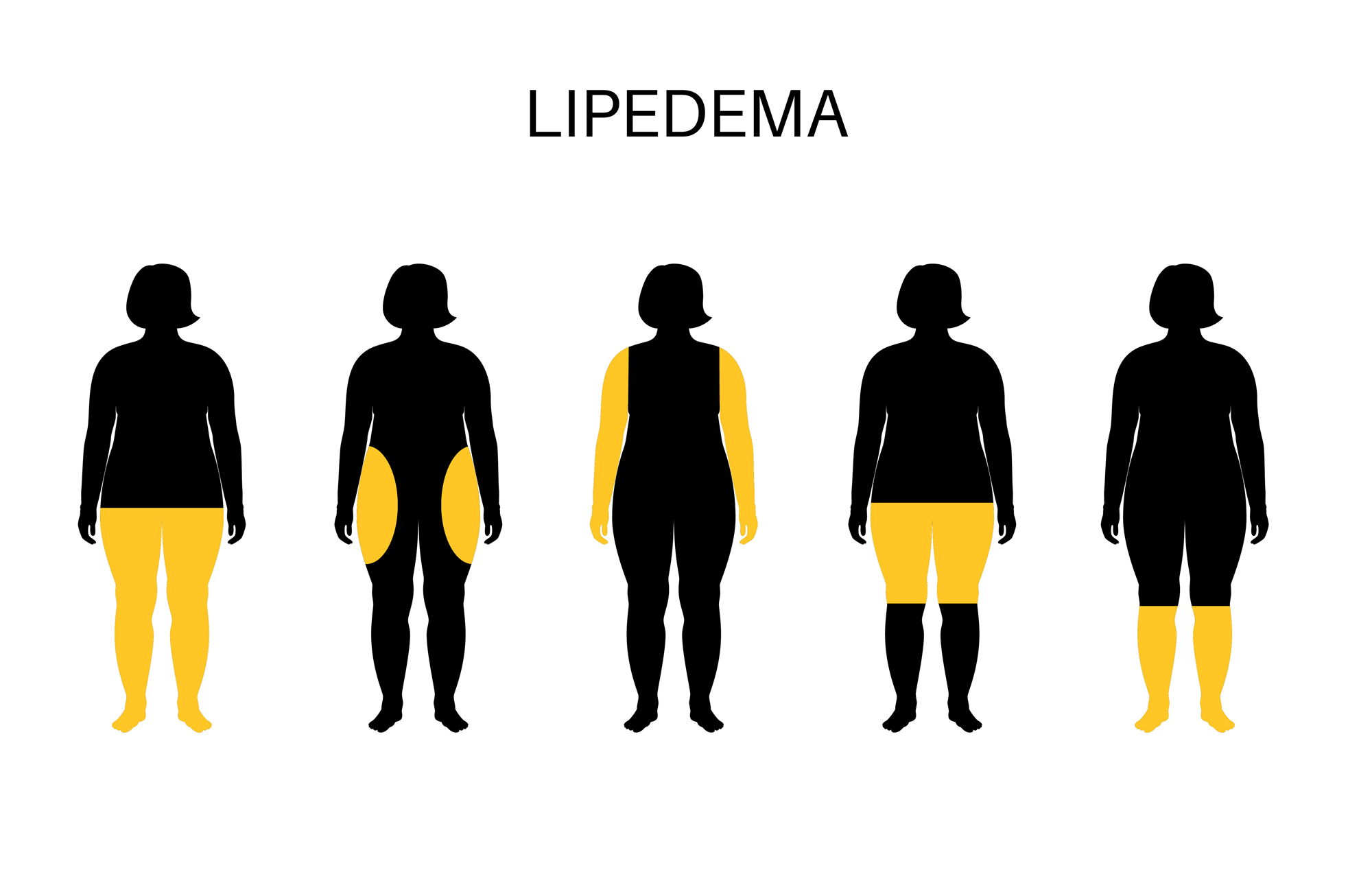
Lipedema is a disorder of fatty tissue that causes an abnormal buildup of fat, usually in the legs, hips, buttocks, arms, and abdomen. This fat is typically symmetrical, meaning it affects both sides of the body evenly.
Common lipedema symptoms include:
- Pain or tenderness in the affected areas
- Easy bruising
- Chronic swelling with minimal improvements
- Fat that is resistant to diet and exercise
It is important to understand that lipedema is a medical condition, not a lifestyle issue.
What Causes Lipedema?
While researchers are still learning more about lipedema, several factors are strongly linked to its development.
1. Genetics (Family History)

One of the most important causes of lipedema is genetics. Many patients report that other women in their family, such as their mother, sister, or grandmother, also have similar body shapes or symptoms.
If lipedema runs in your family, your risk of developing it is higher.
2. Hormonal Changes
Lipedema often appears or worsens during times of hormonal change, which is why it almost exclusively affects women. Common trigger points include:
- Puberty
- Pregnancy
- Use of hormonal birth control
- Menopause
Estrogen is believed to play a role in how fat cells grow and behave in lipedema. This hormonal link explains why many patients notice symptoms starting or progressing during major life transitions.

3. Abnormal Fat Cell Growth
In lipedema, fat cells behave differently than normal fat. They tend to:
- Grow larger
- Multiply more easily
- Retain fluid
- Become inflamed
This leads to painful, swollen fat deposits that often do not respond to traditional weight-loss methods. Even patients who maintain a healthy diet and active lifestyle may continue to see progression of symptoms.
4. Microvascular and Inflammatory Factors
Research suggests that lipedema may be correlated to problems with small blood vessels and lymphatic flow in the body. These issues can cause:
- Increased fluid leakage and build up in tissues
- Chronic inflammation
- Easy bruising
Over time, this can worsen pain and swelling and may contribute to disease progression if left untreated.
5. Not Caused by Obesity or Laziness
One of the biggest misconceptions about lipedema is that it is simply obesity. While some patients may also have excess weight, lipedema itself is not caused by overeating.
Key differences:
- Lipedema fat is painful; regular fat is not
- Lipedema fat is symmetrical; weight gain is often uneven
- Lipedema does not improve with diet and exercise alone
Dr. Azouz emphasizes that recognizing this difference is crucial for patient confidence and proper care.
Why Early Diagnosis Matters
Without treatment, lipedema can progress over time and may lead to:
- Increased pain
- Mobility issues
- Joint stress
- Development of secondary lymphedema (lipolymphedema)
Early diagnosis allows patients to explore conservative management options, lifestyle adjustments, and when appropriate, surgical treatment options.
How Dr. Azouz Helps Patients with Lipedema
Dr. Azouz takes a comprehensive and compassionate approach to lipedema care. He focuses on:
- Accurate diagnosis
- Patient education
- Individualized treatment planning
For some patients, treatment may include lipedema-specific liposuction, which targets diseased fat while preserving lymphatic structures. For others, conservative therapies may be recommended.
Every patient’s condition is unique, and Dr. Azouz works closely with patients to determine the best path forward. Dr. Azouz’s Texas Lipedema Center of Excellence was created to advocate for patients and assist with navigating insurance for coverage of lipedema surgery.
Next Steps for Lipedema Care
Lipedema is a real, medical condition with complex causes including: genetics, hormones, and abnormal fat behavior. Understanding what causes lipedema empowers patients to seek the right care and advocate for themselves.
If you suspect you may have lipedema or have been struggling with unexplained pain and fat distribution changes, a consultation with an experienced provider like Dr. Azouz can make all the difference. Contact us online or call us at (972) 702-8888 to book your appointment today. If you live far from Dallas, ask about virtual consultation options.
Posted on behalf of