How Fat Grafting with Plantar Fasciitis Can Help with Heel Discomfort
If you have ever experienced plantar fasciitis, you understand how frustrating and painful it can be. That sharp, stabbing heel pain can make everyday activities like walking, standing, and exercising uncomfortable, impacting your quality of life. Many people find relief from traditional treatments such as stretching, orthotics, injections, and physical therapy. Despite these treatments, some people continue to suffer from discomfort. That’s where highly experienced plastic surgeon Dr. Azouz in Dallas offers an innovative, regenerative treatment that offers the potential to provide long-term relief when conventional therapies fail: fat grafting.
What is Plantar Fasciitis?
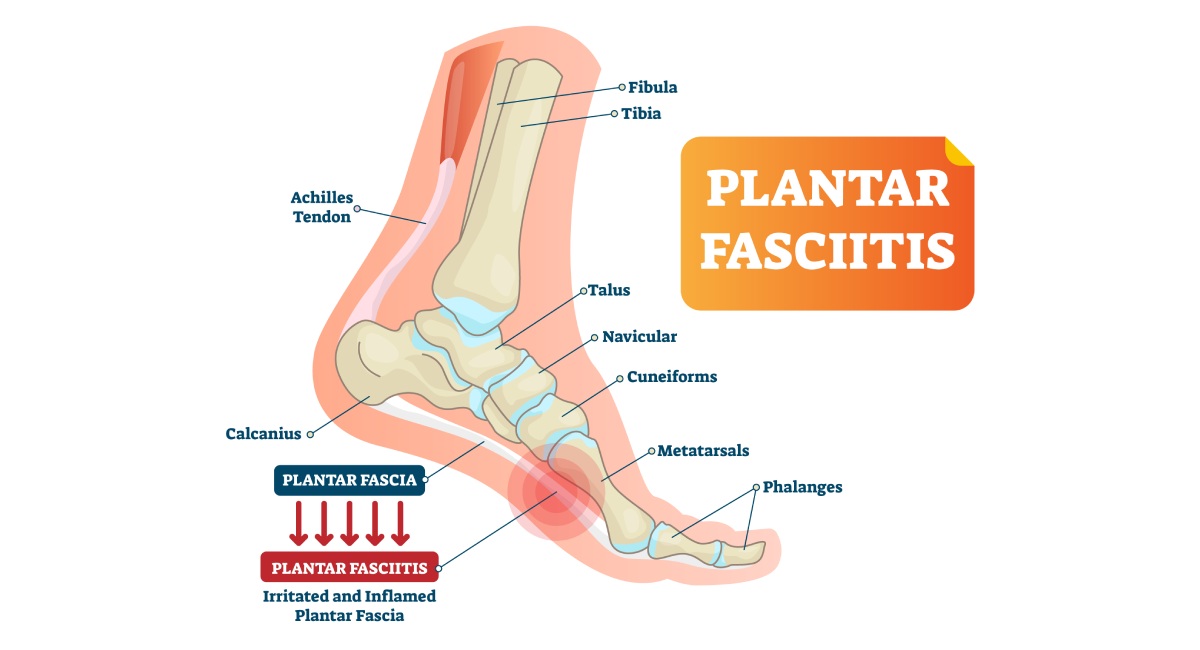
Plantar fasciitis is a common condition that occurs when the plantar fascia, a thick band of connective tissue that runs along the bottom of your foot, becomes inflamed or irritated. This tissue supports your foot’s arch and absorbs shock with each step you take. When the plantar fascia is overused, overstretched, or subjected to repeated stress, small tears can form. This causes inflammation over time, resulting in heel pain and stiffness, particularly when taking the first steps in the morning or after long periods of rest.
What is Fat Grafting?
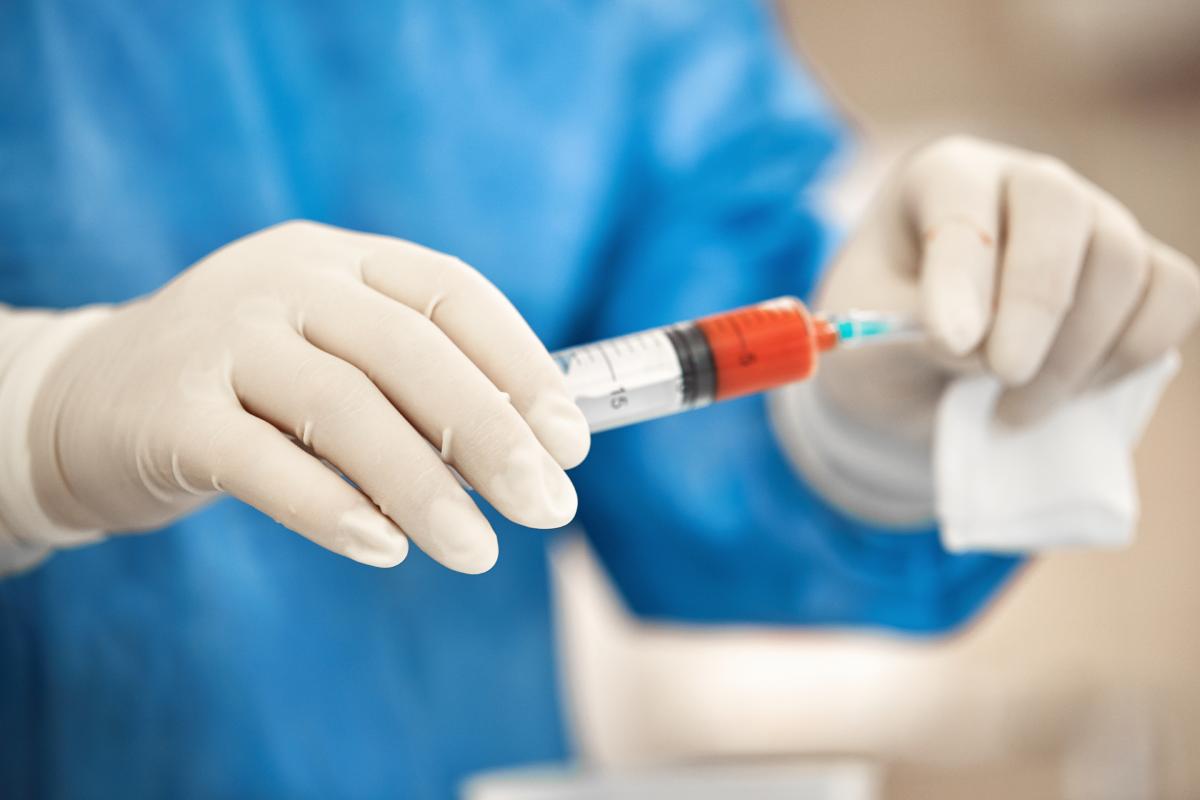
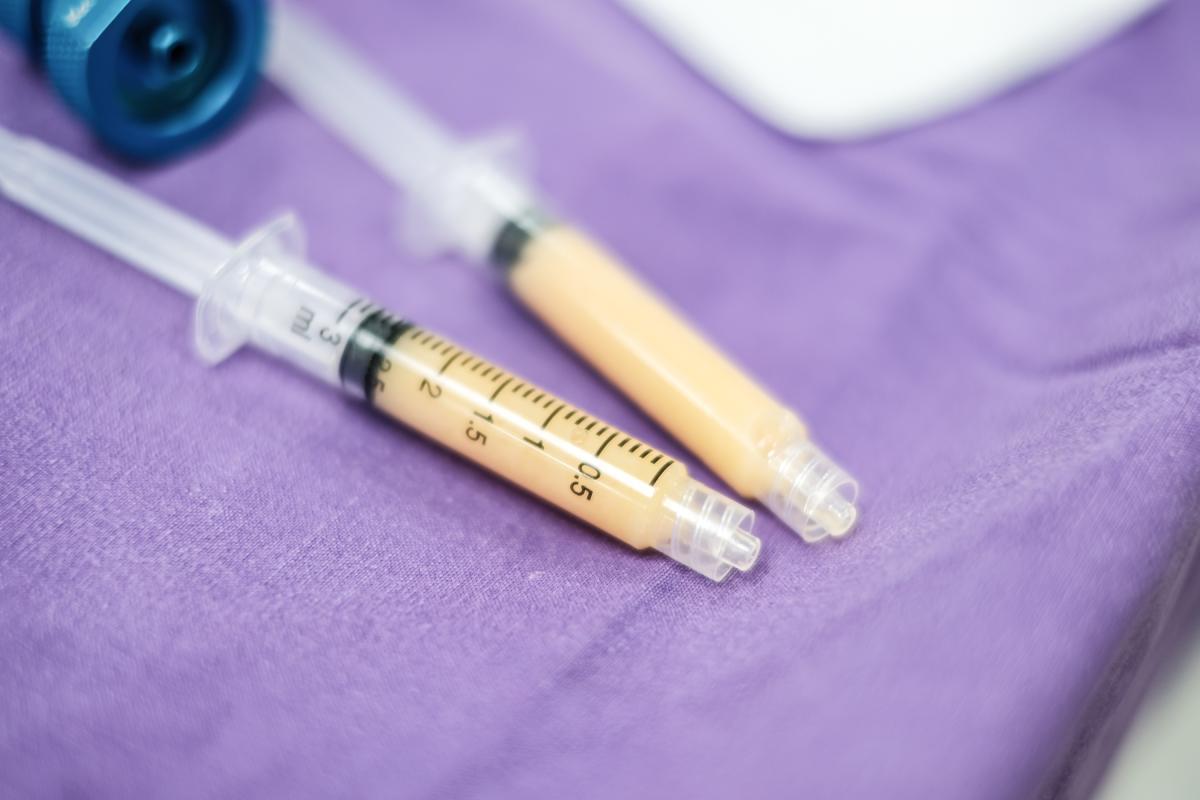 Fat grafting, also known as autologous fat transfer, is a procedure that uses your body’s fat to restore volume or support healing in specific areas. A minimally invasive procedure is used to gently remove a small amount of fat, typically from the abdomen, thighs, or flanks. The extracted fat is then processed to separate and purify healthy fat cells, which are then carefully injected into the area that needs healing or volume.
Plastic surgeons have long relied on fat grafting in both cosmetic and reconstructive procedures, including facial rejuvenation, scar revision, and breast reconstruction. In addition to restoring volume, fat grafting may also improve tissue quality and reduce inflammation, benefits that are currently being explored as potential treatments for chronic conditions such as plantar fasciitis.
How Does Fat Grafting Help with Plantar Fasciitis?
Fat tissue does more than store energy; it also contains regenerative cells and growth hormones that promote healing. When purified fat is injected into the area surrounding the damaged plantar fascia, it can provide natural cushioning, reduce inflammation, and promote tissue repair. This combination may lead to increased function and long-term relief for patients suffering from persistent heel pain that hasn’t responded to traditional treatments.
- Cushioning: Fat grafting creates a natural, soft layer of cushioning that absorbs stress and relieves pressure on the heel with each step, reducing discomfort when walking and doing daily tasks.
- Regeneration: Fat tissue contains stem cells and growth factors that can stimulate the body’s natural healing response, helping with the repair of damaged tissue around the plantar fascia.
- Inflammation Reduction: Injecting fat into the area may help reduce chronic inflammation, addressing one of the primary causes of ongoing discomfort in plantar fasciitis.
- Improved Blood Flow: The presence of regenerative cells can stimulate the formation of new blood vessels (angiogenesis), improving circulation and long-term tissue health.
- Pain relief: By addressing both physical strain and inflammation, fat grafting can provide significant, long-term comfort for individuals who have failed to respond to other therapies.
Schedule a Consultation with Dr. Azouz
If you’ve ever had heel pain that won’t go away, contact Dr. Azouz, a board-certified plastic surgeon. Fat grafting for plantar fasciitis provides a promising, natural treatment. Using your own fat can assist in cushioning your heel, encourage healing, and get you back to doing the things you enjoy without discomfort. If you have any questions or would like to book a consultation to learn how fat grafting might help you feel your best, please call (972) 702-8888 or contact us online.
Written by Aliza Arevalo and Henna Dahya on behalf of Azouz Plastic and Cosmetic Surgery
Posted on behalf of