
Facial Fat Transfer vs. Fillers: Which One Fits Your Goals?
Facial fat transfer and dermal fillers can both restore facial volume, but they work in different ways. Fillers use injectable products placed under the skin. Facial fat transfer uses your own fat, usually taken from another area of your body, prepared, and placed into targeted areas of the face.
Choosing between these options comes down to your goals, your anatomy, your timeline, and whether you prefer a nonsurgical treatment or a surgical approach with longer-lasting potential.
How Does Facial Fat Transfer Work?
Facial fat transfer, also called fat grafting, starts with fat removal from a donor area such as the abdomen, back, thighs, or hips. At Azouz Plastic and Cosmetic Surgery, the fat is collected with liposuction, prepared, and injected into areas where facial volume has decreased.
The American Society of Plastic Surgeons explains that facial fat grafting may help restore volume and shape facial contours.
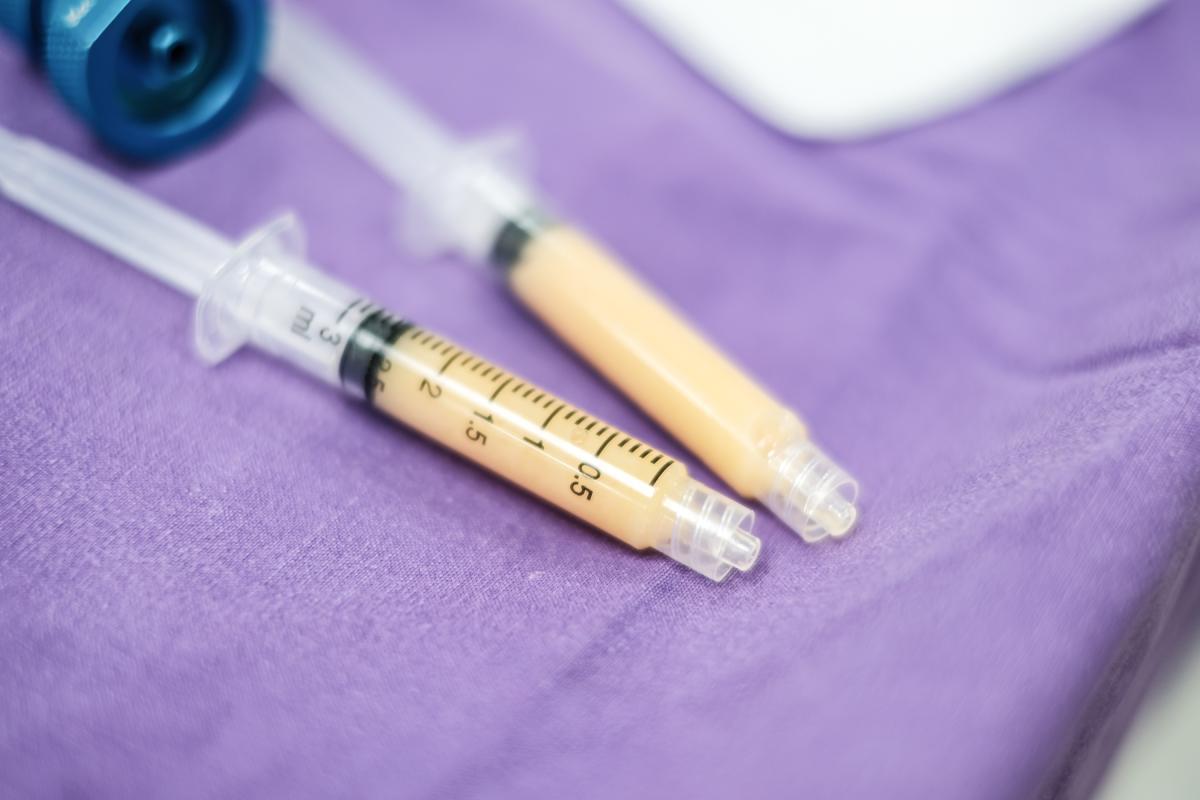
How Are Dermal Fillers Different?
Dermal fillers are injectable treatments that add volume under the skin without using fat from your body. Fillers can be a good fit if you want a nonsurgical option, a shorter appointment, or a way to see how added volume could change your look before making a bigger commitment.
Fillers provide temporary results, and how long they last can depend on the product, the treatment area, and how your body responds.
Which Option Fits Your Facial Volume Goals?
Both options can be useful, but they fit different priorities:
- Dermal fillers may be a good choice if you want temporary volume, a nonsurgical treatment, or a way to preview subtle facial changes.
- Facial fat transfer may be right for you if you want to use your own fat, are looking for longer-lasting volume, or are already considering liposuction.
- A conversation with a Dallas plastic surgeon can help if you have facial hollowing, past filler concerns, or questions about whether surgery, injectables, or a combination would work best for you.
What Should You Know Before Choosing Fat Grafting?
Fat grafting can last longer than temporary fillers, but it still has limits. Some transferred fat may not survive after placement, and healing can affect the final result.
A review of fat grafting research notes that fat survival can vary, which is why careful planning matters. Your surgeon should talk with you about swelling, possible asymmetry, undercorrection, overcorrection, and how weight changes may affect your results.
Why Talk With Azouz Plastic and Cosmetic Surgery in Dallas?
At Azouz Plastic and Cosmetic Surgery, facial volume planning can include surgical and nonsurgical options based on your goals. Dr. Solomon Azouz is a board-certified plastic surgeon in Dallas who focuses on individualized planning and natural-looking results.
A consultation for facial fat transfer in Dallas gives you room to ask direct questions, compare options, and understand what each treatment can and can’t do for your face.
Facial Fat Transfer vs. Fillers FAQs
- The better choice depends on your goals. Facial fat transfer may fit if you want a surgical option with longer-lasting volume, while dermal fillers may work better if you want temporary, nonsurgical enhancement.
- Some transferred fat may not survive, but fat that develops a blood supply may last long term. Your final result depends on your anatomy, surgical planning, healing, and weight stability.

Talk to a Dallas Plastic Surgeon About Facial Volume Options
If you’re comparing facial fat transfer and dermal fillers, schedule a consultation with Azouz Plastic and Cosmetic Surgery in Dallas. We can help you understand which facial volume option fits your goals, anatomy, and comfort level.
Posted on behalf of