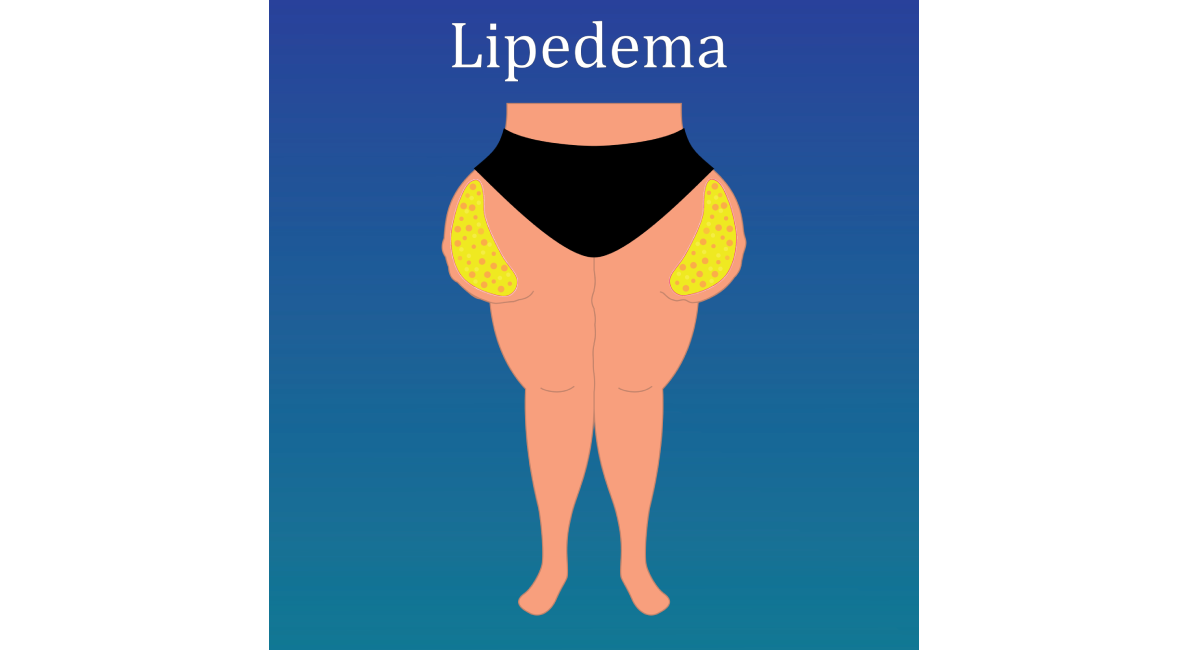
Does Lipedema Fat Come Back After Surgery? What You Need to Know
Lipedema is a chronic condition that causes abnormal fat accumulation, most commonly in the legs, thighs, and arms. Many patients seek surgical treatment to relieve symptoms and improve body contour. A common concern is whether lipedema fat comes back after surgery. While lipedema reduction procedures can provide long-lasting results, certain factors can influence recurrence or progression. Board-certified plastic surgeon Dr. Azouz can evaluate your condition and create a personalized treatment plan. In this article, Dallas plastic surgeon Dr. Azouz explains whether lipedema fat returns after surgery, why it may occur, and how to maintain your results. Dr. Azouz treats patients from across the United States for lipedema management and body contouring at his practice in Dallas, Texas.
Understanding Lipedema and Surgical Treatment
Lipedema is not the same as typical weight gain. It is a progressive disorder involving abnormal adipose tissue that is resistant to diet and exercise. Surgical treatment, often performed using specialized liposuction techniques, removes diseased fat and can significantly reduce pain, swelling, and heaviness.
Lipedema surgery is not cosmetic. It is a medical procedure designed to improve mobility, decrease discomfort, and restore a more natural body contour. Many patients experience long-term relief after surgery, especially when treatment is performed early and followed by proper aftercare.
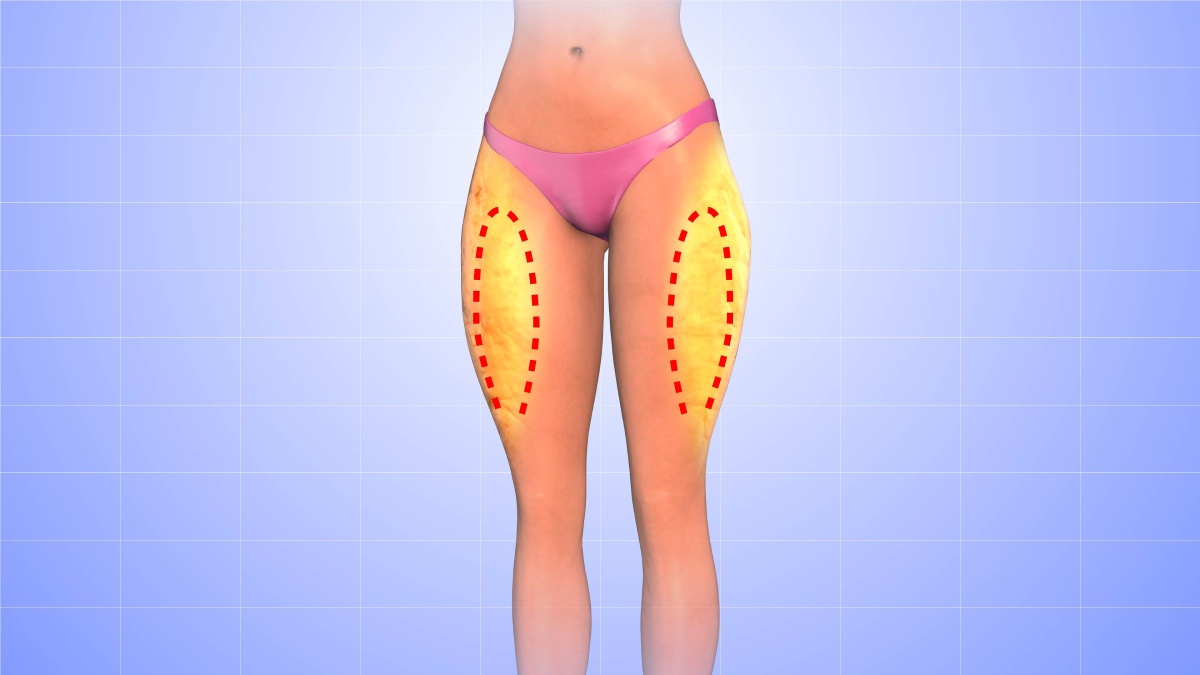
Does Lipedema Fat Come Back After Surgery?
Lipedema fat that is removed during surgery does not regenerate in the same way. However, lipedema is a chronic condition, which means that progression can still occur in untreated areas or if the condition is not properly managed.
In most cases, patients experience long-term improvement; however, factors such as hormonal changes, weight gain, and failure to adhere to recommended follow-up care may contribute to the natural gradual progression of lipedema.
What Causes Lipedema to Return or Progress?
- Progression of the Disease
Lipedema can continue to develop in areas that were not treated during surgery. - Hormonal Changes
Hormonal shifts such as puberty, pregnancy, or menopause can trigger or worsen lipedema symptoms. - Weight Gain
While lipedema fat is different from regular fat, overall weight gain can still affect results and increase pressure on treated areas. - Incomplete Treatment
If all affected areas are not addressed, remaining lipedema fat can continue to grow and create imbalance. - Maintaining your Results
Compression therapy, lymphatic drainage, and lifestyle management are essential for long term success.
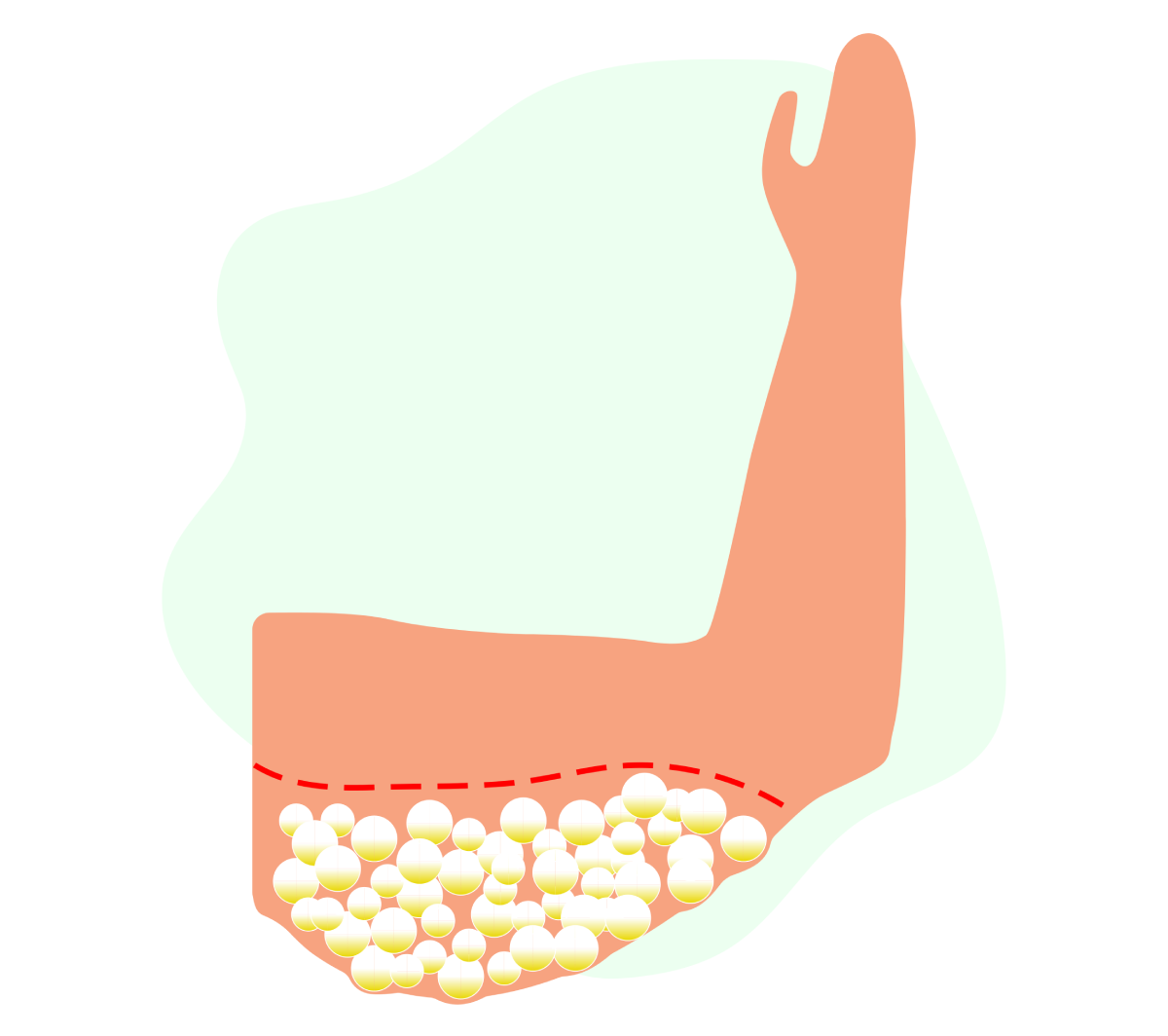
How Dr. Azouz Helps Maintain Long Term Results
- Comprehensive Surgical Approach: Azouz carefully evaluates all affected areas to create a thorough and balanced treatment plan.
- Post Surgical Care Guidance: Patients receive detailed instructions on compression, movement, and recovery to support healing and prevent complications. Dr. Azouz will give personalized guidance on when to return to manual lymphatic drainage and compression pumps after surgery.
- Lifestyle and Weight Management: Maintaining a stable weight and active lifestyle helps preserve surgical results.
- Ongoing Monitoring: Regular follow up allows early detection of any changes and ensures continued improvement.
How to Reduce the Risk of Recurrence
- Choose a Board Certified Plastic Surgeon: Experience and technique are critical for effectively removing lipedema fat and achieving balanced results.
- Follow Post Operative Instructions: Wearing compression garments and attending follow up visits are essential steps in recovery.
- Maintain a Healthy Lifestyle: Consistent movement and proper nutrition support long term outcomes.
- Monitor Hormonal Changes: Understanding how your body responds to hormonal shifts can help you manage symptoms early.
- Commit to Long Term Care: Lipedema requires ongoing management, even after successful surgery.
Schedule a Consultation with Dr. Azouz
Lipedema surgery can provide significant and lasting relief, but long term success depends on proper treatment and maintenance. With expert surgical care and a personalized plan, you can achieve improved comfort, mobility, and confidence. If you are considering lipedema surgery or have concerns about recurrence, Dr. Azouz can help. Contact our office to schedule a consultation with board-certified plastic surgeon Dr. Azouz today! Contact us online or call (972) 702-8888 to learn more about lipedema treatment and long term management.
Written by Varsha Harish on behalf of Azouz Plastic and Cosmetic Surgery
Posted on behalf of